Author: TM Attorneys

  • KEY CHANGES IN THE NEW PLANT BREEDERS’ RIGHTS ACT NO. 12 OF 2018

    KEY CHANGES IN THE NEW PLANT BREEDERS’ RIGHTS ACT NO. 12 OF 2018

    Plant Breeders’ Rights (PBR) are a form of intellectual property (IP) protection granted to plant breeders who develop unique and novel plant varieties. Under PBR, breeders gain exclusive control over the commercial use of their creations, including the production, distribution, and sale of reproductive materials like seeds or cuttings for a specified duration. A plant breeder’s right cannot be renewed. After the expiry of the full protection period of the plant breeder’s right, the variety becomes public property and anyone may then propagate and sell it. By securing these rights, PBR fosters advancements in agricultural research and incentivises continued investment in plant breeding.

    The Plant Breeders’ Rights Act No. 12 of 2018 (PBR Act 12/2018) is a South African law that provides legal protection for new plant varieties, ensuring that plant breeders receive exclusive rights to their creations. The 2018 Act replaces the older Plant Breeders’ Rights Act of 1976, bringing South Africa in line with the International Union for the Protection of New Varieties of Plants (UPOV). PBR Act 12/2018 introduced significant updates to align with international standards, of the International Convention for the Protection of New Varieties of Plants (UPOV 1991), strengthening IP rights for plant breeders while introducing new exceptions and enforcement mechanisms.

    The decade long process was initiated with the Bill being introduced to Parliament in 2015. Public participation took place, and the Bill was passed by Parliament in 2018, and signed off by President Ramaphosa in March 2019. Following which, draft regulations were published and after the commenting process, the Act came into effect on the 1st of June 2025, with the regulations published shortly thereafter.

    Here are the key changes in the PBR Act 12/2018:

    • The Act now extends protection to harvested material such as fruits and flowers and products derived from them. It also covers essentially derived varieties (EDVs). EDVs are defined as varieties predominantly derived from an initial variety but distinct enough to qualify for separate protection. EDVs require authorisation from the original breeder for commercialisation, thus preventing minor modifications of protected varieties to bypass rights.
    • The duration of a plant breeder’s right now ranges between 20 – 30 years, depending on the plant type. Periods are prescribed by regulation, allowing more flexibility. Validity periods are as follows:
      • 20 years for trees and vines.
      • 25 years for other crops and plants.
      • 30 years for certain long-cycle crops.
    • In addition, the new Act now has explicit inclusion of provisional protection, meaning there is now better enforcement of protection duration; breeders can claim rights and have provisional protection starting from the application date, and not just the grant or registration date.
    • Explicit “Farmers’ Privilege” with the regulations stating that small-scale farmers may save and replant seeds of protected varieties for their own use, but not for sale, subject to conditions (for example; royalty payments for commercial reuse). The exception of a “Farmer’s Privilege” does not apply to medium and large-scale commercial farmers, who may need a license for seed saving. However, breeders and researchers can use protected varieties to develop new plants without infringement, unless the new variety is an EDV.
    • The new Act has introduced stronger deterrents and enforcement mechanisms with stricter penalties:
      • Fines and imprisonment for violations with a sentence of up to 10 years for commercial-scale violations.
      • Border control measures which allow customs to seize counterfeit or illegal plant material.
      • Civil and criminal liability for intentional infringement.
    • The application and examination process now offers more rigorous distinctness, uniformity, and stability (DUS) testing, and faster processing with digital submissions.

    It is important to note that transitional provisions apply to existing rights under the 1976 Act, which remain valid but are governed by the new Act. Applications pending in 2018 are processed under the 1976 Act.

    The PBR Act 12/2018 has clearer public interest requirements and criteria for compulsory licenses, ensuring equitable compensation to breeders, and international recognition for South African plant varieties. In addition, it significantly modernises South Africa’s PBR framework, balancing breeders’ IP rights with public-interest safeguards.

    A study conducted by Netnou–Nkoana et al. (2015) found that out of the total number of 187 respondents within the farming community, “57% indicated that they had never heard of the Plant Breeders’ Rights Act before, 18% were familiar with the Act and 25% had heard of the Act but did not quite understand the provisions of the Act and how it impacted on them and their farming practices.”  With the 1976 Act only available in English, the PBR Act 12/2018 has been published in both English and Tshivenda to ensure accessibility and to promote equitable access to information.

    At Tshaya Mashabela Attorneys, we provide specialised legal services to protect your agricultural innovations through PBR registration and enforcement. Our expert team guides breeders, agribusinesses, and research institutions through South Africa’s PBR system to safeguard their plant varieties and maximise their commercial potential. Protect your agricultural innovations by contacting us for a consultation.

    Author: Tumelo Mashabela | Managing Director and Registered Patent Attorney

    References:

    1. Plant Breeders’ Rights Act No. 12 of 2018
    2. Plant Breeders’ Rights Act No. 15 of 1976
    3. Netnou-Nkoana NC, Jaftha JB, Dibiloane MA, Eloff J. Understanding of the farmers’ privilege concept by smallholder farmers in South Africa. S Afr J Sci. 2015;111(1/2), Art. #2013-0344, 5 pages.

  • Intellectual Property Rights in Global Trade: Supreme Court Clarifies the Distinction Between Trade Mark Infringement and Counterfeiting

    Intellectual Property Rights in Global Trade: Supreme Court Clarifies the Distinction Between Trade Mark Infringement and Counterfeiting

    In a landmark ruling (Yossi Barel v Popular Trading CC and Others, SCA 2025), the Supreme Court of Appeal (SCA) drew a critical distinction between trade mark infringement and counterfeiting under the Counterfeit Goods Act of 1997, providing much-needed clarity for brand owners and traders alike.

    The case centred on the use of the “ENRICO COVERI” trade mark on footwear, with the appellant, Yossi Barel, alleging that the respondent, Popular Trading CC, was dealing in counterfeit goods. The SCA upheld the High Court’s decision, dismissing Barel’s appeal and clarifying that not all trade mark infringements constitute counterfeiting. Counterfeiting requires a higher threshold, i.e., deliberate and fraudulent intent to deceive the public by passing off goods as those of the trade mark owner. The court emphasized that Popular Trading CC imported authentic ENRICO COVERI footwear from Italy, manufactured by the original brand’s licensee, and lacked the fraudulent intent necessary to classify the goods as counterfeit.

    This ruling highlights that importing of genuine products, even if they conflict with local trade mark registrations, does not amount to counterfeiting unless there is intent to deceive. The SCA’s decision reinforces the principle that counterfeiting involves more than IP infringement, it demands proof of calculated deception, safeguarding legitimate trade while protecting intellectual property (IP) rights.

    This ruling further underscores the importance of brand vigilance; businesses must proactively monitor misuse and note the importance of intent in distinguishing between IP infringement and counterfeiting.

    Your brand is your most valuable asset—let us help you protect it. At Tshaya Mashabela Attorneys, we have specialised expertise in IP, ensuring trade mark and brand protection. Contact us today.

    Author: Tumelo Mashabela | Managing Director and Registered Patent Attorney

    References:

    1. Yossi Barel v Popular Trading CC and Others (1102/2023) [2025] ZASCA 94 (23 June 2025)

  • THE LENS OF JUSTICE: HOW SAM NZIMA RECLAIMED HIS ICONIC IMAGE

    THE LENS OF JUSTICE: HOW SAM NZIMA RECLAIMED HIS ICONIC IMAGE

    The late Sam Nzima, a South African photojournalist, captured one of the most powerful images of the 1976 Soweto Uprising—the photograph of dying 12-year-old Hector Pieterson being carried by Mbuyisa Makhubo, with Hector’s sister Antoinette Sithole running beside them. The image became a global symbol of apartheid’s brutality. However, Nzima faced a prolonged legal battle to reclaim copyright ownership of his photograph.

    Image: Sam Nzima poses with his famous photograph.
    Credit: Denis Farrell/AP
    Source: https://www.theguardian.com/

    Under apartheid-era laws, the photo’s copyright was initially held by The World, the newspaper Nzima worked for, and later by its parent company, Argus Newspapers. After the end of apartheid, Nzima fought for decades to regain his rights, arguing that the image was his intellectual property (IP). In 1998, the South African government intervened, and the copyright was returned to Nzima through a settlement [1], [2]. Despite this victory, Nzima reportedly received little financial benefit from the image’s widespread use, highlighting broader issues of artists’ rights and compensation in historical contexts [3].

    Nzima’s struggle to reclaim ownership of his iconic Hector Pieterson photograph highlights the importance for South African artists and creators to protect their IP, through:

    • Understanding copyright ownership from the outset – Nzima’s case highlights how unclear contracts or employment agreements can lead to disputes over ownership. Several artists and freelancers unknowingly sign away their rights. Therefore, it is important to always clarify copyright ownership in writing before publishing or selling work. Under the South African Copyright Act 98 of 1978, the creator usually retains copyright unless it is explicitly transferred [4].
    • Advocating for fair compensation and licensing – despite the photograph’s global use, Nzima received little financial benefit. Artists should negotiate licensing fees and royalties upfront. Creative Commons or watermarking can help control unauthorised use.
    • Leveraging digital tools for protection – in today’s digital era, artists face risks like unauthorised reproductions online. Tools like reverse image searches, watermarking, and blockchain-based IP verification, such as NFTs for digital art, can help track and enforce rights.
    • Seeking legal advice before signing contracts – many artists, especially in the digital age, inadvertently agree to unfavourable terms when publishing on platforms or working with agencies. Consult our legal experts at Tshaya Mashabela Attorneys to review contracts before signing.

    Nzima’s battle underscores the need for proactive IP management. By understanding their rights, documenting ownership, and seeking legal safeguards, South African artists can avoid exploitation and ensure their work is protected and fairly compensated.

    Secure your creative legacy – contact us today for expert copyright protection.

    Author: Tumelo Mashabela | Managing Director and Registered Patent Attorney

    References:

    1. South African History Online (SAHO). (2019). Sam Nzimahttps://www.sahistory.org.za
    2. https://www.theguardian.com/world/2018/may/13/sam-nzima-south-african-photographer-dies-aged-83-soweto
    3. https://www.bbc.com/news/world-africa-44082115
    4. Copyright Act 98 of 1978
  • THE ‘JERUSALEMA’ LEGAL DISPUTES

    THE ‘JERUSALEMA’ LEGAL DISPUTES

    The global hit song Jerusalema by Master KG (Kgoagelo Moagi) and Grammy Award-winning artist Nomcebo Zikode not only took the world by storm with its infectious rhythm and dance but has now become the centre of a copyright battle in South Africa. The dispute highlights critical issues in the music industry, including artist compensation, contractual obligations, and the enforcement of intellectual property rights.

    Image: Sunday World / Master KG

    The dispute revolves around the ownership and revenue-sharing of Jerusalema, a song that amassed over 158 million YouTube views and became a cultural phenomenon. Nomcebo, claimed she was not properly credited or compensated for her contributions to the song. Master KG’s record label, Open Mic Productions, countered that the agreements in place were binding.

    The recent court ruling in Nomcebo Nkwanyana & Emazulwini Productions v Open Mic Productions & Africori SA (Case No: 098393/2023) saw the legal battle reach its latest climax when the Gauteng High Court dismissed Nomcebo’s application, ruling that she must fulfil her contractual obligations by delivering two more albums to Open Mic before being released from her contract.[1]

    As established in Eke v Parsons (2016), settlement agreements must be enforced as binding contracts.[2] The court emphasised that once a settlement agreement is made an order of court, it carries the same weight as any other judicial order. The agreement between Nomcebo and Open Mic included a clause requiring her to enter into a 50/50 joint venture for future recordings.

    • Court’s Holding: The agreement was not an “agreement to agree” (an unenforceable term) but a binding obligation to collaborate on future projects.
    • Legal Principle: Pacta sunt servanda (agreements must be honoured) applies unless the contract is lawfully cancelled or varied.

    “The clause impugned does not amount to an agreement to agree. It is a valid, enforceable agreement to jointly deliver two albums using the JV only as a vehicle.” – Moshoana J, Gauteng High Court.[1]

    Image: Instagram / Nomcebo Zikode

    Nomcebo sought a declaratory order to nullify her obligation to enter into the joint venture and a mandamus (a court order compelling action) to force Open Mic to provide detailed financial records. However, the court rejected this request for the following reasons:

    • A declaratory order was inappropriate because the contractual terms were clear.
    • mandamus is typically used to enforce public or statutory duties, not private contractual obligations.
    • “The remedy available for non-compliance with court orders is contempt proceedings.” – Moshoana J, Gauteng High Court.[1]

    The court’s criticism of Nomcebo’s legal team for poor pleading and unprofessional conduct, aligns with precedents like Public Protector v Section 194 Committee (2024), which underscores the importance of professional conduct in litigation.[3] The matter was referred to the South African Legal Practice Council for review.

    Although the court ruled in Open Mic Production’s favour, Master KG still finds himself embroiled in legal woes over the hit song Jerusalema, as South African musicians Charmza the DJ (Ntimela Chauke) and Biblos (Presley Ledwaba) have filed a lawsuit against Master KG’s label, Open Mic Productions, and music distributor Africori SA, accusing them of copyright violations related to the hit song.

    Image: Master KG & Charmza the DJ

    The legal dispute has spanned half a decade, with Charmza the DJ asserting his right to royalties from the widely popular 2020 track. The case is scheduled for hearing at the Pretoria High Court from 17 November 2025.[4]

    The Jerusalema disputes serve as a cautionary tale for musicians and content creators. These cases highlight broader Implications for the South African music industry. They underscore the need for written, unambiguous agreements between artists and labels. Many disputes arise from oral agreements or poorly drafted contracts. Therefore, it is important that:

    • Artists ensure they retain rights to their work and receive fair royalties.
    • Labels invest in production and distribution, but they must also honour contractual obligations.

    For artists navigating South Africa’s evolving copyright landscape, proactive legal protection is crucial before a song becomes a hit.

    Secure your creative works by contacting Tshaya Mashabela Attorneys for expert legal consultations.

    Author: Tumelo Mashabela | Managing Director and Registered Patent Attorney

    References:

    1. Nomcebo Nkwanyana & Emazulwini Productions v Open Mic Productions & Africori SA (Case No: 098393/2023) – Gauteng High Court Judgment (9 May 2025).
    2. Eke v Parsons 2016 (3) SA 37 (CC) – Enforcement of settlement agreements.
    3. Public Protector v Section 194 Committee [2024] 4 All SA 693 (SCA) – Professional conduct of legal practitioners.
    4. https://www.timeslive.co.za/tshisa-live/tshisa-live/2025-03-24-charmza-the-djs-lawyer-takes-on-case-pro-bono-as-jerusalema-dispute-finally-heads-to-trial/

  • Legal Sector Code of Good Practice on Broad-Based Black Economic Empowerment

    Legal Sector Code of Good Practice on Broad-Based Black Economic Empowerment

    • The LSC is premised on the recognition that a B-BBEE measurement framework in the legal sector is necessary to address transformation as a whole, B-BBEE in general, the promotion of black practitioners, as well as the need for a significant increase in the fair and equitable procurement of quality and specialised areas of law from black practitioners by both the private and public sectors.
    • The LSC seeks to achieve a substantial, meaningful, and accelerated change in the racial and gender composition of ownership, control and management of legal practices in the legal sector.
    • promoting employment patterns in the sector that adhere to the principles of non-racialism and non-sexism by addressing the underrepresentation of black practitioners.The LSC seeks to address the prevailing shortage and lack of relevant skills and increasing the skills pipeline with the aim of accelerating the advancement of black legal practitioners, black women legal practitioners and practitioners from designated categories, including legal internships, employment of candidate attorneys and pupils with specific reference to legal and management skills.
    • LSC seeks to increase the procurement of legal services from the private and public sectors by LSMEs that are at least 51% black owned and/or 51% black women owned.contributing to the creation of sustainable LSMEs that are majority or wholly owned by black legal professionals through effective enterprise and supplier development initiatives.
    • increasing ongoing qualitative and quantitative methods for monitoring and evaluating progress towards realising the goals of this LSC and B-BBEE in general and thereby contributing to measures that eradicate fronting and other mechanisms for circumventing such goals.
    • It should be noted that notwithstanding the date of gazetting, clause 38.2 of the LSC provides that all B-BBEE verification certificates which were validly issued in terms of the Generic Codes, prior to the gazetting of the LSC, shall remain valid and applicable for the period of their validity. This means that law firms will only need to be measured in terms of the LSC after the expiry of their current B-BBEE verification certificates. In simple words, law firms will only be required to comply with the LSC after expiry of their B-BBEE certificates.

  • The emancipation of Black women from being considered perpetual minors

    The emancipation of Black women from being considered perpetual minors

    In South Africa, black women were once regarded as perpetual minors in the eyes of the law. This meant that they could not acquire or own property. South African women suffered from a triple yoke of oppression, being gender, race and class discrimination. Black women have had inferior job opportunities and were subjected to other forms of discrimination at all levels.

    The Bantu Authorities Act of 1951 bestowed authority on chiefs (who were virtually all male) to administer customary law. This was a patriarchal system wherein women were considered as legal minors throughout their lives. In addition to not being able to own property, the legal minor status meant that black women could not enter into contracts and children legally belonged to their fathers or other male relatives.

    In the 1980s, there were reforms that allowed black women’s increased emancipation from customary law. In 1981, the KwaZulu Bantustan allowed adult women, married or unmarried, to own property and to make certain legal decisions. This came after some pressure on the chiefs to introduce these reforms.

    Whilst Black men were required to carry passes when entering major cities, it was never a formal requirement for black women. This was because the apartheid government faced great resistance when attempting to impose individual passes on Black women. For instance, in 1913, hundreds of people marched against pass laws for black women. However, the most compelling reason to not imposes passes on black women was that the apartheid regime expected them to be governed by their men as they were legal minors and not considered as self-sufficient persons in their own right. This led to the now famous march of 09 August 1956, where about 20 000 women of all races marched to Pretoria in protest against pass laws in South Africa.

    Women have always played a crucial role in the anti-apartheid movement, some even took up arms and became members of the armed resistance. Women were finally emancipated with the dawn of democracy in South Africa, their emancipation being high on the development agenda. Women’s rights are cemented in the Bill of Rights in Chapter 2 of the Constitution of the Republic of South Africa, Act 108 of 1996. Section 9 states that:

    (1) Everyone is equal before the law and has the right to equal protection and benefit of
    the law.

    (2) Equality includes the full and equal enjoyment of all rights and freedoms. To promote the achievement of equality, legislative and other measures designed to protect or advance persons, or categories of persons, disadvantaged by unfair discrimination may be taken.

    (3) The state may not unfairly discriminate directly or indirectly against anyone on one
    or more grounds, including race, gender, sex, pregnancy, marital status, ethnic or
    social origin, colour, sexual orientation, age, disability, religion, conscience, belief,
    culture, language and birth.

    As women, we have come a long way to breaking barriers and leading organisations as well as contributing to the economy. However, we have only just begun and have a long way to go. We will be celebrating some phenomenal women who are playing a role in ensuring that women continue to play a significant role in shaping an equal South Africa. Be sure to visit our social media pages to see features of these amazing women.

  • Long walk to Equality

    Long walk to Equality

    As we celebrate women this August, it is important to remember the challenges faced by the women, who fought relentlessly for our rights and freedoms. The strife for women’s suffrage in South Africa began in 1889 with the establishment of the Women’s Christian Temperance Union (WCTU). Amongst their campaigns was the campaign to secure voting rights for white South African women, on the same merits as men. This was followed by the formation of many other suffrage movements which included the Women’s Enfranchisement League (WEL) which later became known as the Women’s Enfranchisement Association of the Union. Much like its predecessor, the WTCU, the movement had primarily white, English elite women at the helm and thus prioritized their interests. In 1930, the Women’s Enfranchisement Act was enacted, which afforded white women, above the age of 21, the right to vote and stand for elections. In this manner, Leila Reitz became the first female MP in 1933.

    Source: https://classroom.monticello.org/media-item/black-south-africans-vote/

    During this time, non-white women were prioritising racial justice and equality, rather than gender equality and involvement with the movement. Further still, the laws of the county did not permit non-white women to vote or hold office. This continued even after 1948, when the National Party came into power and South Africa entered the apartheid era; and non-white women increased their efforts for racial justice, arranging and joining resistance movements and the armed struggle.

    The sunset of the apartheid regime, more than 60 years after white women won voting rights, saw a major turning point for African and non-white women, in South Africa. The 1994 general elections was the first time women of all races could vote and elect to hold office. The interim Constitution and later, the 1996 Constitution averred the right for women to vote and all other rights flowing from that right.

    We thank the women who paved a path for both racial and gender equality, in South Africa.

  • Comparison of National Small Enterprise Amendment Act No. 21 of 2024 to other SME legislations in eight countries (part 2)

    Comparison of National Small Enterprise Amendment Act No. 21 of 2024 to other SME legislations in eight countries (part 2)

    The Department of Small Business Development conducted a comparative analysis of SMME legislation from eight countries to the National Business Act no 102 of 1996 as amended in 2003 and 2004.[1] We have added another layer to the comparison and looked at the National Small Enterprise Amendment Act No. 21 of 2024 which recently came into force. This is the second part of the results from the comparative analysis, to read the first part of the results, click here.

    The establishment of SEDFA appears to be the main focus of the Amendment Act with not much detail added to address some glaring necessities for South African SMMEs. Some of the aspects that require urgent focus include:
    i) Lack of support for entrepreneurs who have failed and faced bankruptcy to be able to quickly access a second chance. In South Africa, such an entrepreneur would find it extremely difficult to obtain funding.
    ii) Failure to address the need for simplification was also another glaring shortcoming of the Amendment Act. The countless administrative tasks that entrepreneurs are required to fulfill can be discouraging.
    iii) Improving SMME access to finance and the development of a legal and business environment that supports timely payment of SMMEs is a factor that must be addressed as soon as possible. Late payments of SMMEs have been responsible for a lot SMME failures.
    iv) There needs to be an explicit prioritisation of imparting skills including knowledge transfer and intellectual property (IP) commercialisation. The impact that IP can have on a business is immense. The chances of a business growing and generating revenue are significantly increased when a business has filed a least one IP right (i.e. patents, trademarks, designs etc.).


    It is not all doom and gloom and the fact that our legislation is being amended to try and address some of the shortcomings that were identified is a step in the right direction.

    References:
    [1] http://www.dsbd.gov.za/sites/default/files/reports/report-on-smme-legislation.pdf
    [2] National Small Enterprise Amendment Act No. 21 of 2024

  • Comparison of National Small Enterprise Amendment Act No. 21 of 2024 to other SME legislations in eight countries
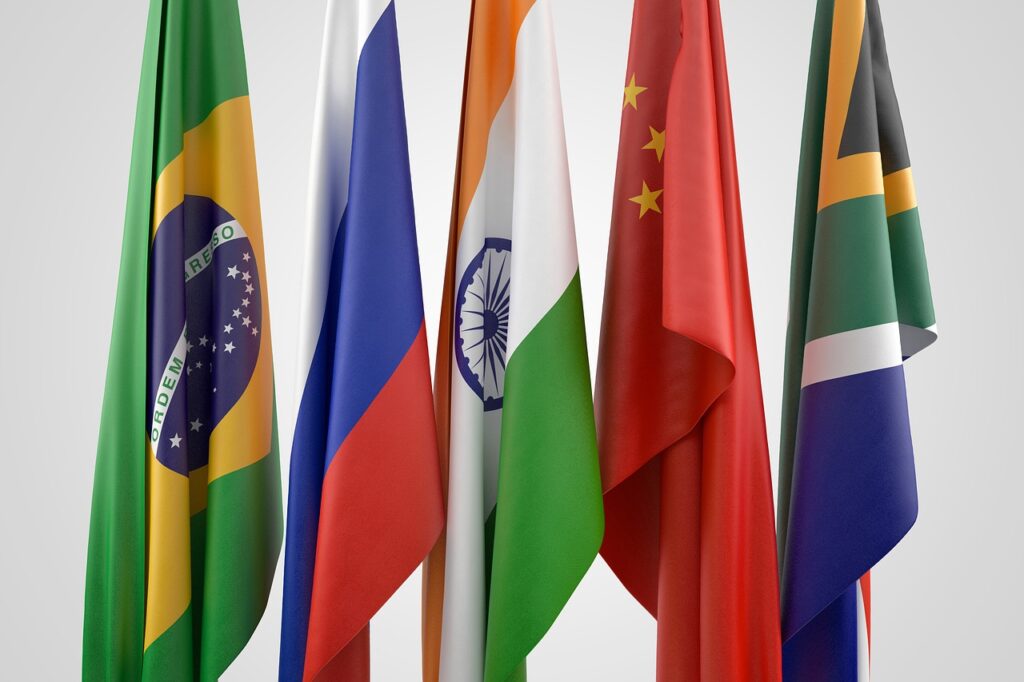
    Comparison of National Small Enterprise Amendment Act No. 21 of 2024 to other SME legislations in eight countries

    The Department of Small Business Development conducted a comparative analysis of SMME legislation from eight countries to the National Business Act no 102 of 1996 as amended in 2003 and 2004.[1] The countries that that were studied include Brazil, India, Kenya, Malaysia, Nigeria, Taiwan, United Kingdom and United States of America.[1] The aim of the study was to better understand the legislative and regulatory measures that these eight countries have adopted in order to stimulate, support, and grow their small business sector.[1] The study was conducted with a view for South Africa to learn from best practices and innovative approaches employed by the eight countries.
    In the study four questions were put forward:

    1. How does South Africa compare on major indicators of Small Business Act against the eight
      chosen countries?
    2. What do outcome indicators reflect about the relative strengths and weaknesses of South
      Africa’s Small Business Act vis-à-vis the comparison countries?
    3. Where are the largest deviations – positive and negative – from the benchmarks?
    4. How can the eight country comparisons be useful for policy purposes, in particular regarding the review of South Africa’s Small Business Act?[1]

    The study utilised the Small Business Act of the European Union as a framework for analysis for the small business legislations of the eight countries as well as that of South Africa.[1] Further, on 23 July 2024, President Cyril Ramaphosa signed the National Small Enterprise Amendment Act No. 21 of 2024 into law (herein after referred to as the Amendment Act). The Act establishes a new entity called the Small Enterprise Development Finance Agency (SEDFA) which will incorporate the Small Enterprise Development Finance Agency (SEFA), the Small Enterprise Development Agency (SEDA) and the Cooperative Banks Development Agency.[2] In this article, we will be including this latest amendment to the National Business Act no 102 of 1996 (herein after referred to as the National Business Act) in the analysis.

    The study found that the legislation of some countries was administrative and procedural in nature whilst others were more substantive.[1] South Africa falls in the former category wherein the majority of laws provide for the establishment of a national agency for the promotion of SMEs and the provision of guidelines for its governance and promotion. To illustrate this point, let us look at why the National Business Act was promulgated: to establish the Small Business Development Agency (today’s SEDA) and other statutory bodies; to define SMMEs; and SMME membership of business associations as a precondition for eligibility for support from government. As mentioned previously, the Amendment Act establishes a new entity called SEDFA which will incorporate SEFA, SEDA and the Cooperative Banks Development Agency. This is very similar to amendment Act of 2003 and 2004 which introduced SEDA. Unfortunately, it appears that the Act is still more administrative and procedural rather than substantive.


    We will present the results of the analysis in two parts. The first set of results is shown below, and it is apparent from the results that the South African legislation is indeed administrative and procedural.

    The second part of the results is presented in part two of our article and you can find it here. We hope you have learnt some valuable insights about how South African SME legislation compares to other countries.

    References:
    [1] http://www.dsbd.gov.za/sites/default/files/reports/report-on-smme-legislation.pdf
    [2] National Small Enterprise Amendment Act No. 21 of 2024

  • Intellectual Property in the Olympic Games

    Intellectual Property in the Olympic Games

    The Olympic Games are well and truly underway, and we are certain that you have been seeing multiple posters, images and broadcasts promoting the games. You might be wondering, who has the rights to use these images and other promotional materials?

    All the logos, posters and performances related to the Olympics are known as Olympic Properties. These are defined in Rule 7 of the Olympic Charter as “the Olympic symbol, flag, motto, anthem, identifications (including “Olympic” or “Olympic Games”), and any musical, audio-visual or creative works created in connection with the Olympic Games.[1]

    Olympic Properties constitute various intellectual property (IP) rights including but not limited to trade marks, copyright, and designs. All rights to the Olympics Properties are owned by the International Olympics Committee (IOC) which was established on the 23rd of June, 1894. The organisation oversees several aspects of the Olympic Properties including media rights (the licensing, production and distribution rights of media such as film and television).

    Below, we will discuss these IP rights in more detail.

    1) Trade Marks

    A trade mark is a mark used or proposed to be used to distinguish the goods or services of a trader from the same kind of goods or services of another trader in the industry. A mark means any sign that can be represented graphically and includes a name, signature, word, letter, numeral, shape, configuration, pattern, ornamentation, colour, container for goods or a combination of any of these.[2]

    In terms of Olympic Properties, these include Olympic designations such as Olympic Games, Olympic, Olympics, Youth Olympic Games, Olympic torch, Olympiad, Olympian, Paris 2024 etc. Trade marks also include the logos and emblems of the Olympics as depicted in the illustrations below.

    2) Copyright

    Copyright describes rights that creators have over their literary works and artistic works. Works protected by copyright include but not limited to:
    a) literary
    b) musical
    c) artistic
    d) sound recording
    e) programme-carrying signal
    f) broadcast [3]

    Olympic properties that enjoy copyright protection include the posters and pictograms depicted below. They also include any broadcasts of the Olympic Games like the opening ceremony as well as Olympic footage and images.

    3) Designs

    In South Africa, protection can be obtained for two types of designs, aesthetic and functional. An aesthetic design protects an appearance of an article. If a product has new and unique features, they can be protected with a design registration. These features can be a pattern, a shape, configuration, ornamentation or a combination of any of these. [4]

    A functional design is a design applied to an article and necessitated by the function that that article is to perform. Again, these features can be a shape, configuration, ornamentation or a combination of any of these. Integrated circuit topography is an example of a functional design.[4]

    The Olympic Properties that can be protected by way of Designs include the Olympic torches as well as mascots.

    4) Media Rights
    This process includes the issuing of media rights to broadcaster on television, radio and etc., Media in this context refers to mass communication, particularly for commercial use.

    As with major events such as the soccer and rugby world cups, companies pay an immense amount of money in order to use the Olympic Properties and to associate their brands with the games. However, not everyone using these properties has to pay. There are exceptions including:

    Educational Use: Using the Olympic Properties for the preparation of materials or presentations by teachers or students for use in courses or classes without access by external people.[1]

    Editorial Use: Editorial use means use of the Olympic Properties to refer to the Olympic Games or the Olympic Movement in content whose primary purpose is to educate or inform.[1] This exception is what we rely on in order to write this blog and use images from the Olympics web page.

    We hope you have enjoyed learning about the IP that can be found in the Olympics. May you also continue to enjoy the games. Remember to contact Tshaya Mashabela Attorneys to assist you with protecting and commercialising your IP.

    References:

    [1] https://olympics.com/ioc/olympic-properties
    [2] https://www.gov.za/sites/default/files/gcis_document/201409/act194of1993.pdf
    [3] https://www.gov.za/sites/default/files/gcis_document/201504/act-98-1978.pdf
    [4] https://www.gov.za/sites/default/files/gcis_document/201409/act195of1993.pdf