A domain name is an address that directs people to your website, it enables users to locate your business on the internet. A domain name forms the foundation for a website and email address, for instance www.my-website.co.za and my.email@my-website.co.za. A trade mark on the other hand is a sign capable of distinguishing the goods or services of one company from those of other companies in the same field. Companies often use their names, protected by way of trade marks, as a domain name so that their customers can easily identify them.
Cybersquatting is when one buys a domain name that is indistinguishable or similar to a registered trade mark, in bad faith (i.e., without having any genuine interest in the domain other than disingenuous financial gains, spreading malware or reputational brand damage). Through the imitation of a legitimate website, cybersquatting is a cybercrime that profits from the positive image associated with a legitimate website or brand1.
Trade mark infringement occurs when an illicit website uses meta tags of a legitimate websites to manipulate search engines to direct users to this illicit website. Meta tags are text which appear on the webpage’s source code, but are not visible on the website, and are used to describe a webpage’s content. As an example, when including key word tags such as APPLE, or IPHONE 6 on your website, your website appears when a user searches APPLE online.
As a preventative measure, it is important to register both your trade marks and domain names since the domain name correlates with the impression the user has of a registered trade mark or brand. This highlights the importance of a domain name for any brand or business, and that one should always be vigilant by making sure to check the domain name and URL in search results. Domain names can be registered in terms of the Electronic Communications and Transactions Act 25 of 2002. However, registration of a domain name does not automatically mean that you own the domain name in perpetuity. You will have to renew your domain name on an annual basis.
The World Health Organization estimates that about 80% of the world’s population, predominantly in developing countries, use traditional forms of medicine1. They estimate that the percentage of the population that uses traditional medicine ranges from 90% in Burundi and Ethiopia, to 80% in Burkina Faso, the Democratic Republic of Congo and South Africa, 70% in Benin, Cote d’Ivoire, Ghana, Mali and Rwanda, and 60% in Tanzania and Uganda1. This number is highly contested with the Mail & Guardian having published an article stating that 81.3% of Black South African households first consulted public sector health facilities, whereas 17.2% first consulted private sector health facilities, and only 1.5% first consulted alternative health facilities, which include spiritual healers and traditional healers2.
Despite the contention of the number of people that use traditional medicines, the numbers always provide a clearer picture. In a study by Mander et al; they state that the traditional medicine industry is about R2.9 billion and there are 27 million users of this medicine3. Further, Mander conducted a survey in Durban alone that showed 84% of clinic patients in the area used traditional medicine with 18% indicating that they had an intention to reduce usage of traditional medicines3. In total, Mander et al state that traditional medicinal plant consumers account for 72% of the Black South African population in South Africa (26.6 million people)3. Minister Joe Phaahla stated that “Traditional medicine use has important historical and cultural significance in diverse settings and populations and may provide benefit when used safely and appropriately.”4 These traditional medicines form part of our traditional knowledge (TK) and they mostly involve the use of genetic resources indigenous to our communities.
“Traditional knowledge is integral to the identity of most local communities. It is a key constituent of a community’s social and physical environment and, as such, its preservation is of paramount importance. Attempts to exploit TK for industrial or commercial benefit can lead to its misappropriation and can prejudice the interests of its rightful custodians. In the face of such risks, there is a need to develop ways and means to protect and nurture TK for sustainable development in line with the interests of TK holders… Their rich endowment of TK and biodiversity plays a critical role in their health care, food security, culture, religion, identity, environment, trade and development. Yet, this valuable asset is under threat in many parts of the world.”6
The above statement is very relevant for South Africa. How many times have you seen your mother or grandmother mix a concoction using certain plants and herbs to help treat a cold or to heal a wound? This constitutes TK, and it forms a very significant part of our heritage as South Africans. This is an important intellectual property right (IPR) that mostly belongs to communities. According to the World Conservation Monitoring Centre, South Africa is the sixth country with the most plant species in the world, 23 4207. For context, the Western Cape region of South Africa alone is more botanically diverse than the richest rainforest in South America, this includes the Amazon! Since these plants are not only of ornamental value but some are used as traditional medicines, it is paramount to protect this heritage8. South Africa is signatory to the Convention on Biological Diversity (CBD). The CBD is an international instrument that addresses biological diversity9. The objectives of the CBD are the conservation of biodiversity; the sustainable use of its components; and the fair and equitable sharing of benefits arising from the utilisation of genetic resources9.
South Africa is proactive about protecting its biodiversity and to that end, complies with the CBD through the National Environmental Management: Biodiversity Act 10 of 2004. The objectives of the Act include “To provide for the management and conservation of South Africa’s biodiversity…; the protection of species and ecosystems that warrant national protection; the sustainable use of indigenous biological resources; the fair and equitable sharing of benefits arising from bioprospecting involving indigenous biological resources…”5This Act is an essential part of protecting our national heritage in the form of our biodiversity, however, it does not provide sufficient protection on its own. This is why our Patents Act as well as other relevant Acts were amended to ensure harmony between these Acts in the protection of our biodiversity.
Traditional knowledge based on genetic resources is threatened by biopiracy, wherein “indigenous knowledge of nature, originating with indigenous people, is used by others for profit, without permission from and with little or no compensation or recognition to the indigenous people themselves”10. The South African Patents Act 57 of 1978 was amended to reduce occurrences of biopiracy and consequently, before filing a complete patent application, an applicant is required to complete the form P26 in compliance with section 30 subsection 3A and 3B which state:
“(3A) Every applicant who lodges an application for a patent accompanied by a complete specification shall, before acceptance of the application, lodge with the registrar a statement in the prescribed manner stating whether or not the invention for which protection is claimed is based on or derived from an indigenous biological resource, genetic resource, or traditional knowledge or use.
(3B) The registrar shall call upon the applicant to furnish proof in the prescribed manner as to his or her title or authority to make use of the indigenous biological resource, genetic resource, or of the traditional knowledge or use if an applicant lodges a statement that acknowledges that the invention for which protection is claimed is based on or derived from an indigenous biological resource, genetic resource, or traditional knowledge or use.”11
Compliance with this requirement is crucial to maintain the validity of one’s patent as should one be found to have contravened it, it can lead to the revocation of said patent as per section 61(1) paragraph (g). We have case law in South Africa and around the world related to bioprospecting and obtaining permission from TK holders for its use. The Council for Scientific and Industrial Research (CSIR) conducted research on a plant (HoodiaTM) used by the San people to suppress appetite. The results of this study were then patented, and the patent was licensed to a UK based Phytopharm which had rights for further development and commercialisation12. Initially, the San people were not consulted when bioprospecting and researching the plant. The CSIR did however, contact the Department of Environmental Affairs and Tourism in 1998 to seek permission for the development of Hoodia. In 1998, South Africa did not have the legal instruments we have currently, and as a result, the DEAT suggested that the collaboration between CSIR and Phytopharm be governed by law of contract.
The San instituted proceedings against the CSIR for use of their TK without their prior informed consent. Before the matter could escalate to the revocation of the Hoodia patent, negotiations commenced wherein a benefit sharing agreement was reached between the CSIR and the San. This provided an opportunity to apply the letter of the law wherein the CSIR had to not only obtain bioprospecting rights but had to consult an indigenous community that were originators of the TK and were previously left in the dark, to be able to continue commercialising their IP based on said TK.
Looking at international cases, India managed to bring about the cancellation or withdrawal of 36 patent applications pertaining to TK based on known medicinal formulations1. India established a Traditional Knowledge Digital Library (TDKL) that has over 34 million pages of information about 2.5 million medicinal formulations1. The TKDL is an essential tool that assists patent examiners worldwide in carrying out prior art searches (to determine the novelty of an invention)1. As a reminder, for a patent to be granted, it must be novel and not have been known anywhere in the world. Consequently, patents based on medicinal formulations based on formulations in the TKDL would not qualify for patent protection. Some patents were revoked due to the TKDL; these include:
a) Neem patent: a patent was granted by the European Patent Office (EPO) for neem which has anti-fungal properties. The EPO found the patent to lack novelty based on the evidence presented by India and the patent was revoked13.
b) Turmeric patent: turmeric has many medicinal uses, including its use as a blood purifier, treatment of colds and skin diseases. The University of Mississippi Medical Centre applied for a patent claiming the wound healing properties of turmeric. Again, India applied for the revocation of the patent and provided evidence showing that the use of turmeric to heal wounds was known for centuries. The US Patent Office (USPTO) revoked the patent13.
c) Basmati patent: RiceTec Inc, a US company, filed for a patent pertaining to a type of rice produced by crossing a strain of Basmati rice with an American variety. The patent claimed future rights on any new varieties produced by crossing the new variety with existing Asian varieties. This caused an uproar; India earns about $800 million per year in rice exports. The patent was opposed and as a result, the USPTO struck down large portions of the Basmati patent14.
These are examples of how one can enforce IPRs. At Tshaya Mashabela Attorneys, we can assist you with navigating through the statutes and regulations pertaining to TK based on genetic resources. Contact us to arrange for a consultation and to get more information.
South Africa has extensive laws governing the collection and use of human genetic material (see Table 1 below)3. However, we do not have case law to assist with the interpretation of these statutes. We have a few examples from international law, and we will look at the case of Association for Molecular Pathology v. Myriad Genetics, Inc.1 In the early 1990s, there was very significant research into the genetic causes of breast cancer1. Ultimately, a research group from the University of California at Berkeley, located the gene on chromosome 17 that appeared to play a big role in breast cancer1. The gene was named BRCA1. A biotechnology company, Myriad Genetics, created by the University of Utah’s Centre of Genetic Epidemiology (with funding from Eli Lilly), sequenced the BRCA1 gene1. They proceeded to file patents for the BRCA1 gene sequence as well as more than 40 mutations and variations of the gene1. Myriad also patented a synthetic version of BRCA1 that contained only the essential “working parts” of the gene1.
Myriad was actively enforcing their rights to exclusivity granted by their numerous patents and sent cease and desist letters to any researchers working on isolating the BRCA1 gene and testing thereof1. Finally, health care organisations, doctors, patient advocacy groups and more, filed a lawsuit against Myriad in 2010, contesting the patents related to BRCA1 and BRCA2 (which they also isolated and filed patents for its sequence)1. After countless court proceedings, the US Supreme court ruled that “[w]hoever invents or discovers any new and useful…composition of matter, or any new and useful improvements thereof”, the court has “long held that this provision contains an important implicit exception[:] Laws of nature, natural phenomena, and abstract ideas” are basic tools and building blocks and, hence, “lie beyond the domain of patent protection”1. Patents exist to promote creation and to protect ideas, while the elements of nature are “free to all men and reserved exclusively to none”1. Consequently, it was agreed that Myriad did not create the genes or alter any information found therein but rather discovered the location of the genes within the chromosomes.
The US Supreme court looked at the Diamond v. Chakrabarty case wherein a patent was granted for the addition of four plasmids to a bacterium which enabled the bacterium to break down some elements of crude oil1. This patent was deemed valid because the addition of the plasmids to the bacterium rendered it new and with different characteristics from those of a naturally occurring organisms1. In Funk Brothers Seed Co. v. Kalo Inoculant Co. some farmers obtained a patent for a mix of bacteria which helped plants to extract nitrogen from the air and fix it to the soil1. This mixture was not found to be patentable as there were no changes made to the bacteria, they were in their natural state1. The court acknowledged the hard work that Myriad put in to locate and sequence the BRCA1 and BRCA2 genes however stated that isolated a gene from a chromosome does not constitute an invention, “discovery, by itself, does not render the BRCA genes” patentable1. The synthetic version of the BRCA1 gene was however deemed patentable because the lab technician created something new even if it had the same sequence as the naturally occurring gene1.
Source : https://www.canva.com/
From the European perspective, Article 3 of the Directive 98/44/EC of The European Parliament and of The Council, states that:
“1. For the purposes of this Directive, inventions which are new, which involve an inventive step, and which are susceptible of industrial application shall be patentable even if they concern a product consisting of or containing biological material or a process by means of which biological material is produced, processed or used.
2. Biological material which is isolated from its natural environment or produced by means of a technical process may be the subject of an invention even if it previously occurred in nature.”2
Unlike the US findings wherein an isolated gene constitutes a discovery and therefore not considered patentable, the EU directive considers such an isolated gene patentable even if it is no different to the naturally occurring gene in its natural environment. This is supported by Article 5 which states that “An element isolated from the human body or otherwise produced by means of a technical process, including the sequence or partial sequence of a gene, may constitute a patentable invention, even if the structure of that element is identical to that of a natural element.”2 However, the directive requires that the industrial application of said sequence or partial sequence of a gene must be disclosed. So, an isolated sequence may be patentable, but it must have industrial application. Otherwise, it is just a discovery which in many territories, is not patentable.
We are excited to see all the technological developments in the health sector and look forward to practical applications of our statutes. At Tshaya Mashabela Attorneys, we are able to assist you with the protection and commercialisation of your biological inventions, ensuring that it complies with national laws and regulations.
Table 1: Legal instruments affecting collection and use of human genetic materials.
Title
Description
Date
Constitution of the Republic of South Africa
This Constitution is the supreme law of the Republic; law or conduct inconsistent with it is invalid, and its obligations must be fulfilled.
August 23, 2013 (17th amendment)
Medicines and Related Substances Act, 1965 (Act No. 101 of 1965)
Establishes the South African Health Products Regulatory Authority. Provides for the regulation of medicines (MRS Act)
June 1, 2017
General Regulations to the Medicines and Related Substances Act of 1965
Regulations to the Medicines and Related Substances Act, 1965. (MRS Regulations)
August 25, 2017
Genetically Modified Organisms Act, 2007 (Act 15 of 1997)
Provide for measures to promote the responsible development, production, use and application of genetically modified organisms (GMO Act)
April 17, 2007
National Health Act, 2003 (Act No 61of 2003)
Provides a framework for a structured health system in South Africa and takes into account the obligations imposed by the Constitution (NH Act)
September 2, 2013
Government Notice R. 175
Regulations relating to Artificial Fertilisation of Persons (R. 175)
March 2, 2012
Government Notice R. 177
Regulations regarding Human Biological Materials (R. 177)
March 2, 2012
Government Notice R. 179
Regulations relating to Blood and Blood Products (R. 179)
March 2, 2012
Government Notice R. 180
Regulations regarding the General Control of Human Bodies, Tissue, Blood, Blood Products and Gametes (March 2, 2012) and amended by Government Notice 392 in Government Gazette 40816 (R. 180)
April 26, 2017
Government Notice R. 181
Regulations relating to the Import and Export of Human Tissue, Blood, Blood Products, Cultured Cells, Stem Cells, Embryos, Foetal Tissue, Zygotes and Gametes (R. 181)
Written by: Tumelo Mashabela, Managing Director and Registered Patent Attorney
For all your IP, commercial and corporate law services, please contact us on 012 942 8710 / tumelom@tm-attorneys.africa. You can also find us on social media platforms with the handle @TshayaMashabelaAttorneys (@TshayaMashabela on Twitter).
If I mention the name Henrietta Lacks, I am sure it will not ring a bell for many. However, it is because of Henrietta that we have the polio and COVID-19 vaccines1. While undergoing treatment, her cells were extracted from the biopsy of her tumor sample to be used in research, without her knowledge or consent1,4. In fact, cells that were harvested from her also played and continue to play a major role in the study of leukemia, the AIDS virus and cancer2,3. The cells were also used in the development of some in vitro fertilization techniques2.
Let us start from the beginning. Henrietta Lacks, then a 31-year-old African American woman, was diagnosed with cervical cancer1. When she went for treatment during 1951, researchers started using some of her cancer cells for research purposes1. The researchers were interested in these particular cells because of their unique ability to grow and divide continuously in the laboratory3. These cells were then dubbed “immortal cells” and named HeLa cells using the first two letters from Henrietta’s name and surname1. The immortal cells were so named because all other cells collected before then had died, Henrietta’s cells were the first to grow continuously and reproduce outside the human body3. For this reason, they proved to be an invaluable tool for research.
Source: https://osp.od.nih.gov/hela-cells/
Unfortunately, Henrietta died during 1952 but her cells continued to be used in biomedical research which enabled us to have a deeper understanding of the fundamentals of human health and disease1. Just looking at the research aspect, the research from Henrietta’s cells was the subject of over 110 000 scientific publications between 1953 and 20182. In addition, Henrietta’s story inspired the best-selling book “The immortal life of Henrietta Lacks” (Crown, 2010)2. That is a lot of intellectual property inspired by just one person. The copyrightable works that arose from the study of Henrietta’s cells is mind-blowing.
The use of Henrietta’s cells did not just lead to the generation of thousands of papers spurning decades, it also led to the 2013 NIH-Lacks Family agreement2. In this agreement, the US National Institutes of Health reached an understanding with the family of Henrietta Lacks to allow researchers in the biomedical field, controlled access to the to the whole genome data of the cells that were obtained from her tumor (HeLa cells)2. HeLa cells are the most used human cell line in existence2.
What led to the 2013 NIH-Lacks Family agreement is the publishing of a scientific paper by German scientists which made public the first ever sequence of the full genome of the HeLa cells2. The paper compared the genome of HeLa cells to that of healthy human tissues. There was an uproar from various stakeholders as they were of the opinion that the publishing of the HeLa cells genome was a violation of privacy of the Lacks family. This is because the family’s possible disease risk was made public2. The Lacks family expressed this concern to the German scientists, and this resulted in all the data being removed from the public domain2.
To avoid any future unauthorized publishing of the HeLa cells genome, the NIH reached an agreement with the Lacks family to the effect that researchers who abide by the terms contained in the HeLa Genome Data Use Agreement will be able to apply to the NIH for access to the full genome sequence of these cells2. Interestingly though, HeLa cell lines are available for sale (see picture below), and one wonders how the privacy of the Lacks family will be protected should some researchers buy these cell line and publish the entire sequence once again.
This interface of science and the protection of personal information raises a lot of questions of how this matter would be handled had it occurred in present day South Africa. Section 14 of the Constitution of South Africa provides that everyone has the right to privacy5. This right to privacy includes the right to protection against the unlawful collection, retention, dissemination, and use of personal information. Further, we have the POPI Act which aims to promote the protection of personal information processed by public and private bodies5. It would have been very difficult indeed to extract the cells from the patient and share as much information on them as has been done in the case of HeLa cells. Particularly due to restrictions imposed by the National Health Act of 2003 and its accompanying regulations.
Section 3 of the National Health Act Regulation: Use of human biological material states that
“(1) A competent person may not remove any biological material from the body of another living person for the purpose of genetic testing, genetic training, genetic health research or therapeutics, unless it is done –
(a) with written informed consent of the person from whom such biological material is removed…”
We have tight controls on who has access to the patient biological materials as well as what these materials can be used for. The genetic sequence of HeLa cells could not have been released without the consent of the patient or their next of kin. In terms of the publication of genetic material, this is what the regulation states “An authorised institution that keeps or discloses genetic material records and other individually identifiable or related health information in any form, whether electronically, orally or on paper must ensure that:
the information is treated confidentially;
health care providers or planners give users a clear explanation of how the user can use, keep and disclose their information;
users have access to their records;
user’s written informed consent is obtained before information is released to health insurers, other health care providers or any other relevant person…”6
This matter of the use of HeLa is further complicated by the existence of a biotechnology company that has been using the HeLa cells and improperly benefiting from this usage. The family instituted proceedings against the company in 20214. The hospital that collected the cells originally, Johns Hopkins, stated that they have never profited from the cell lines however, some companies have filed patents pertaining to the use of these cells4.
The lawsuit against the biotechnology company, Thermo Fisher (with a $32.2 billion revenue), listed about a dozen of the company’s products that use HeLa cells3. These include Pierce HeLa Protein Digest Standard, T-REx HeLa Cell Line, and Cervical Adenocarcinoma (HeLa-S3) Total RNA7. It was further stated that the company made astounding profits whilst the Lacks family have not received a single cent from the exploitation of IP arising from exploitation of Henrietta’s DNA4. Thermo Fisher was in the process of attempting to get the lawsuit dismissed on the grounds of the statute-of-limitations7. However, the company reached a settlement with the Lacks Family7.
Having read the extensive history of HeLa cells, what can we learn about the South African patenting system pertaining to human DNA? Section 25(2) states that “anything which consists of
a discovery;
a scientific theory…
shall not be an invention for the purposes of this Act”. The Act also states that “The provisions of subsection (2) shall prevent only to the extent to which a patent or an application for a patent relates to that thing as such, anything from being treated as an invention for the purposes of this Act.”8
Further, the Act states that “A patent shall not be granted for any variety of animal or plant or any essentially biological process for the production of animals or plants, not being a micro-biological process or the product of such a process.”8
It has been argued that a DNA sequence can be considered as a discovery. As a result, an isolated DNA sequence could be considered as not patentable. However, if the sequence can be subject to industrial application, such an isolated sequence could be patentable. In the same way that the Patents Act states that “In the case of an invention consisting of a substance or composition for use in a method of treatment … the fact that the substance or composition forms part of the state of the art immediately before the priority date of any claim to the invention shall not prevent a patent being granted for the invention if the use of the substance or composition in any such method does not form part of the state of the art at that date.”8 As such, it appears that an isolated human DNA sequence can be patented provided that the sequence has industrial application for instance, use in gene therapy provided that such use is new.
Be sure to read the second part of this topic where we will be discussing more about the South African Patents Act and the international case law that may assist us in interpreting South African statutes pertaining to the use of human genetic materials.
Written by: Tumelo Mashabela, Managing Director and Registered Patent Attorney
For all your IP, commercial and corporate law services, please contact us on 012 942 8710 / tumelom@tm-attorneys.africa. You can also find us on social media platforms with the handle @TshayaMashabelaAttorneys (@TshayaMashabela on Twitter).
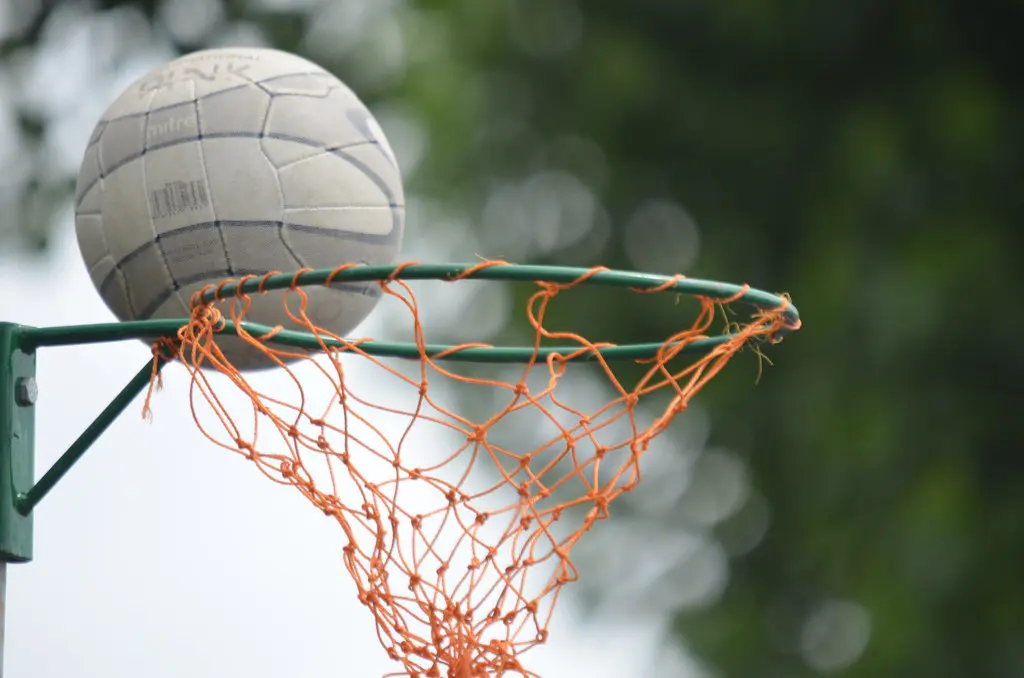
On 21 July 2023, the Department of Sport, Arts and Culture hosted an activation event for members of the media. This event took place exactly before the start of the first ever Netball World Cup on the African continent (Cape Town will be the host city). The aim of this event was to build hype and excitement around the tournament. Three days later, the Minister of Trade, Industry and Competition, Ebrahim Patel, declared by way of general notice 1924 of 2023, that the 2023 Netball World Cup as a “protected event” according to section 15A of the Merchandise Marks Act of 1941.
Section 15A states that:
“15A. Abuse of trade mark in relation to event
(1) (a) The Minister may, after investigation and proper consultation and subject to such conditions as may be appropriate in the circumstances, by notice in the Gazette designate an event as a protected event…
(2) For the period during which an event is protected, no person may use a trade mark in relation to such event in a manner which is calculated to achieve publicity for that trade mark and thereby to derive special promotional benefit from the event, without the prior authority of the organiser of such event.
(3) For the purposes of subsection (2), the use of a trade mark includes-
(a) any visual representation of the trade mark upon or in relation to goods or in relation to the rendering of services;
(b) any audible reproduction of the trade mark in relation to goods or the rendering of services; or
(c) the use of the trade mark in promotional activities, which in any way, directly or indirectly, is intended to be brought into association with or to allude to an event.”
This particular section addresses ambush marketing and prevents brands from unlawfully promoting themselves without having invested any capital into using trade marks associated with the Netball World Cup. The world cup is a major event, and it provides brands with opportunities to make themselves more visible and to promote their goods and service on a world stage. These brands invest a lot of money in order to use these exclusive trade marks which comprise intellectual property rights (IPRs). An example is the official World Netball logo that will feature on a lot of the World Cup merchandise including team kits.
Another intellectual property right that can be seen is the official ball used during the tournament. The Gilbert Quantum 5 described as a newly developed international level netball that will give players the best performance out on the court. The new developments on the ball can be subject to a patent. However, such developments must also be inventive. The design of the ball itself can be protected either as an aesthetic design and/or a functional design.
The team kit of the South African team was revealed on 21 March 2023, International Women’s Day. The kit itself can qualify for protection as an aesthetic design. See the requirements for design registration via this link aesthetic design.
Section 29 of the Consumer Act also protects event sponsors and states that: “A producer, importer, distributor, retailer or service provider must not market any goods or services… in a manner that is misleading, fraudulent or deceptive in any way, including in respect of the sponsoring of any event…”. So, while you enjoy the world cup, we hope that you will be looking out for these IPRs and seeing how they apply to your business. Tshaya Mashabela Attorneys will assist you to register your IPRs and in developing a commercialisation strategy that is compatible with your business model.
Written by: Tumelo Mashabela – Director Patent Attorney @Tshaya Mashabela Attorneys
As we advance technologically and experience more and more enhancements in artificial intelligence (AI), the division of work between humans and machines is changing significantly1. With these changes comes the evolution of economic gender gaps which have to be monitored closely. AI is the key driver of changes brought about by the Fourth Industrial Revolution (4IR)1. The rise of AI is creating a demand for new skills in areas such as neural networks, deep learning, and machine learning, to name a few1.
Women represent a minor percentage of the digital labour force2. Fields such as IT, physics, mathematics and engineering where women are the most underrepresented, are the fields that are most relevant to 4IR2. In a report by the World Economic Forum (WEF) in partnership with LinkedIn, it was found that there is only a 22% female representation of female AI professionals compared to 78% of males1. This is a gender gap of a massive 72%! South Africa is performing slightly better than the world average with a 28% female representation in AI as compared to Germany and the USA which have a female representation of 16% and 23% respectively1.
These statistics explain part of the reason of why women inventors make up just under 13% globally according to a study by the UK Intellectual Property Office (UKIPO)3. To put it in perspective, this means there is only 1 female inventor for every 7 male inventors3. The other explanation is that there is a pipeline issue, not only is there a significantly lesser number of women in the workforce in STEM industries but fewer girls study STEM subjects in secondary school and university3. There have been numerous efforts to diagnose and solve this gender gap.
A few studies have pinpointed some of the core barriers which include:
Lack of interest in STEM related fields by girls in high school. Despite the fact that girls scored the same as boys in STEM subjects, they have a lack of self-confidence in their abilities in these subjects4. Further, girls often perform better in reading and when they progress further in high school, they rate their reading comprehension higher than their performance in STEM subjects4. These factors may further explain why girls are underrepresented in STEM subjects in school4. This research highlights the importance of the work done by foundations such as the Girls Fly Programme in Africa Foundation which encourages young girls to take up careers in STEM. They work with girls from primary school through to university.
Women have been found to have under-developed business and entrepreneurship skills. In addition to providing coding and digital marketing skills, it is also necessary to use these skills to create and capture business opportunities4.
Access to funding is another barrier for female innovators4. In a study conducted in the UK, a third of the women said that being a woman in a male dominated field affected their career in a negative way5. Organisations such as Dazzle Angels provide mentorship and funding for female entrepreneurs and help them advance technologically to scale up their businesses.
We have celebrated women innovators throughout the month of March in celebration of International Women’s Day on 8 March 2022. The gender gap remains high however, some progress has been made. By identifying the barriers that affect the number of women in innovation, we can strive to alleviate them and increase the number of women named as inventors in patent applications. We hope that you play your part in making this happen.
Written by: Tumelo Mashabela, Managing Director and Registered Patent Attorney
For all your IP, commercial and corporate law services, please contact us on 012 942 8710 / info@tm-attorneys.africa. You can also find us on social media platforms with the handle @TshayaMashabelaAttorneys (@TshayaMashabela on Twitter).
The year is off to an exciting start and next week our matriculants will receive their examination results. During this time, matriculants are also looking for institutions where they can register to further their studies. This is also a time where a lot of “bogus” institutions start mushrooming, luring vulnerable students.
The Department of Higher Education and Training (DHET) has already identified some of these colleges and institutions that claim to offer qualifications without registering with the DHET as is required1. Before registering with any institution, follow this link to see a list of institutions registered with DHET: https://www.dhet.gov.za/. Look out for other red flags when it comes to colleges because these “bogus” institutions have various methods to mislead the public.
The most recent trends range from institutions offering degrees in just 15 days, multiple degrees in one year, and appearing to be based in some other countries1. These “bogus” institutions also use the name and logo of DHET, making it appear as though their courses are accredited and they operate legally. They also try and make themselves appear more official by using the seals, crests and logos of institutions such as DHET, public universities and colleges1. They have similar names to world-renowned universities such as Oxford University, Cambridge University, Harvard University and more.
The bogus institutions know the power of trade marks and exploit this to lure unsuspecting students. A trade mark is a mark used or proposed to be used to distinguish the goods or services of a trader from the same kind of goods or services of another trader in the industry. The Trade Marks Act (the “Act”) defines a mark as “any sign capable of being represented graphically, including a device, name, signature, word, letter, numeral, shape, configuration, pattern, ornamentation, colour or container for goods or any combination of the aforementioned2.”
The owner of the mark can stop the unauthorized use of the mark by a third party especially where the mark is identical to or very similar to the registered mark and would likely deceive or cause confusion. Further, the Act states that the rights acquired by registration of a trade mark will be infringed “…if such trade mark is well known in the Republic and the use of the said mark would be likely to take unfair advantage of, or be detrimental to, the distinctive character or the repute of the registered trade mark, notwithstanding the absence of confusion or deception…”2.
Trade marks can be protected forever, provided that they are renewed after every 10 years. A trade mark is how your customers/clients recognise your brand and trust they will always get the same level of quality every time they use your goods and/or services.
Bogus institutions try and copy trade marks of reputable and registered institutions so that their brand resembles these institutions as closely as possible. They attempt to benefit from the good reputation of legitimate and prestigious institutions. This results in students registering with these “bogus” institutions under the impression that the “bogus” institution is associated and/or endorsed by the said legitimate and prestigious institution. In essence, the “bogus” institutions deliberately infringe the rights of reputable institutions with the specific aim of deceiving students.
It is essential for students to check the list of registered institutions on the DHET website before paying any fees for uncredited courses. Good luck to all the first-year students!
Written by: Tumelo Mashabela, Managing Director and Registered Patent Attorney
For all your IP, commercial and corporate law services, please contact us on 012 942 8710 / info@tm-attorneys.africa. You can also find us on social media platforms with the handle @TshayaMashabelaAttorneys (@TshayaMashabela on Twitter).
There are so many holiday mainstays that we see around the festive season from Christmas trees, tinsel, Rudolph the Red-Nosed Reindeer, and many more. This also includes fireworks during New Year’s celebrations. Have you ever wondered how these innovations became such prominent features in our holiday traditions?
In today’s blog, we’ll be discussing the history of these artefacts. Let’s start with the history of the artificial Christmas tree. A patent for the artificial Christmas tree was granted to Willem Dieperink-Langereis on 16 March 19261. These trees have become a common feature on storefronts and in many homes during the festive season1. The inventor was also cognisant of the need to preserve our forests as he noted in the patent that these artificial trees would also serve as substitutes for natural trees, thus contributing to forest preservation1.
Another ubiquitous feature during the festive season is the tinsel that we drape around our Christmas trees. Tinsel is thought to have originated in Germany around 16102. Originally, tinsel was made of thin strips of materials extruded from real silver! This was of course too expensive and only wealthy people could afford entire garlands to drape their trees2. Eventually, cheaper materials that were aluminium-based were used to make tinsel2. By the early 20th century, millions of households could afford to drape their trees with garlands of tinsel2.
Christmas wouldn’t be Christmas without the mention of Santa’s helper, Rudolph the Red-Nosed Reindeer. Initially, Rudolph wasn’t part of Santa’s sleigh-driving team, he is not even mentioned in early Christmas folklore2. Rudolph was created by copywriter Robert May who was tasked with making up a Christmas story that could be given to customers as part of a promotion for a department store2. May was inspired by stories such as “Ugly Duckling”. The story of Rudolph sold millions of copies in the 1940s. May managed to secure the copyright for the character and went on to produce a Rudolph the Red-Nosed Reindeer cartoon and the ubiquitous bestselling song that we hear in malls every Christmas2.
Finally, a new year’s celebration wouldn’t be the same without fireworks. The history of fireworks is a long and illustrious one starting in China around 200 BC when someone tossed bamboo into a fire and unintentionally created the very first firecracker3. Fireworks still didn’t take off after this momentous event. This is until 800 AD when an alchemist was searching for immortality, and he mixed together chemicals that in fact created gunpowder! With the invention of gunpowder, engineers in later years were eventually able to develop fireworks3. Earlier fireworks were just plain orange3. It was in the 1830s when fireworks, as we know them today, were developed by Italian inventors. They used chemicals such as strontium for red colour, barium for green, copper for blue, and sodium for yellow4.
As you celebrate during this festive season, we hope you can appreciate the rich history of all the holiday mainstays that make this time of the year special to us. Season’s greetings from Tshaya Mashabela Attorneys!
Written by: Tumelo Mashabela, Managing Director and Registered Patent Attorney
For all your IP, commercial and corporate law services, please contact us on 012 942 8710 / info@tm-attorneys.africa. You can also find us on social media platforms with the handle @TshayaMashabelaAttorneys (@TshayaMashabela on Twitter).
Last week we looked at the Terms and Conditions of Facebook. This week we look at the Terms and Conditions of Twitter. What personal information are you giving up to use this platform?
Twitter
Like Facebook, Twitter has a minimum user age of 13. When we tried to open an account using a birth date of a person younger than 13, Twitter does not allow one to open the account. However, if you use a birthdate of a person or entity older than 13, you can open an account. Twitter allows users to use pseudonyms should they prefer as opposed to Facebook which encourages the use of real names.
Twitter enables you to search and view information on public Twitter profiles even if you don’t have an account. However, to upload and share information, you must open an account. Twitter allows you to create and manage different accounts to express different parts of your identity. So, what does Twitter require in exchange for you to use their platform?
Firstly, Twitter makes it unequivocally clear that you are responsible for your use of their services and for any content you provide. You should also post content that you are comfortable sharing with others. Twitter further provides its users a warning that they may be exposed to content that one might find offensive, harmful, inaccurate, or deceptive. The content posted is the sole responsibility of whomever posted it. Essentially, it is up to you to verify whether the information you are exposed to is accurate or constitutes “fake news”.
Twitter does reserve the right to remove any content that violates the user agreement for instance intellectual property violations or harassment. Another similarity with Facebook is that as a content creator, you retain your rights to any content you submit, post or display. However, when you submit, post, or display any content on the platform, you grant Twitter a worldwide, non-exclusive, royalty-free license to use, copy, reproduce, process, adapt, modify, display, and distribute the content amongst others. This license authorises Twitter to distribute the content worldwide.
Twitter expects of you as a user to represent and warrant that you have all rights, licenses, consents, permissions, power and/authority required for any content that you post. For all these services that Twitter provides, all they ask, in addition to original content, is your agreement for them to show you advertisements on the platform. The advertisements are not as targeted as Facebook and seemingly, the collection of information from users is not as intense as Facebook. Twitter appears to be more about encouraging engagement and discourse whilst Facebook monetises its membership extensively.
Stay tuned on all our social media platforms and find out what surprising terms and conditions Netflix and Tinder have. We are sure they will give new meaning to the phrase “Netflix and Chill”.
Written by: Tumelo Mashabela, Managing Director and Registered Patent Attorney
For all your IP, commercial and corporate law services, please contact us on 012 942 8710 / info@tm-attorneys.africa. You can also find us on social media platforms with the handle @TshayaMashabelaAttorneys (@TshayaMashabela on Twitter).
October was cyber security awareness month and we brought you information about how the law protects you from your information being shared illegally whether for advertisement purposes or for any other purpose. The key factor was that you must have provided your express permission to receive direct marketing calls or emails. However, do you read any of the terms and conditions presented to you when signing up for different types of services?
The diagram below illustrates the visual representation of the different social media platforms and other services. There is also an interesting comparison of how long it would take you to read the terms and conditions and how it compares to different books. The Microsoft terms and conditions encompass all their products including Xbox, Teams, Microsoft suite and Bing amongst others.
These are long, and we live in such a fast-paced world that taking time off to read terms and conditions for a whole hour might not always be possible. But what are you agreeing to? Let’s look at a few of these platforms and see what you’re signing up to when you click “agree”.
Facebook
“Facebook builds technologies and services that enable people to connect with each other, build communities and grow businesses…We don’t charge you to use Facebook, or the other products and services covered by these Terms. Instead, businesses and organisations pay us to show you ads for their products and services. By using our Products, you agree that we can show you ads that we think will be relevant to you and your interests. We use your personal data to help determine which ads to show you.”1
Do these words look familiar to you or are you one of the millions of people around the world that are quick to press the “agree” button before reading the actual terms and conditions? In as much as Facebook does not share your personal information (such as your name, email address or other contact information) to advertisers, they will only share your information with the advertisers if you give them specific permission.
“Instead, advertisers can tell us things such as the kind of audience that they want to see their ads, and we show those ads to people who may be interested. We provide advertisers with reports about the performance of their ads that help them understand how people are interacting with their content.” 1 The minimum age for anyone to join Facebook is 13 (unless a specific country has a different age restriction). The question then becomes, are you aware of what information your children are disseminating online, are they using platforms they are not old enough to use? Equally important is, what are they being exposed to in terms of targeted marketing?
There is always a give or take of course and in this instance part of the rules of using the platform is that you may not use Facebook to share anything that infringes or violates someone else’s rights, including their intellectual property rights (IPR). Facebook acknowledges that you own the IPR to the content that you create and share on the platform and other Facebook Company Products. When signing up on Facebook, you sign up to give the company legal permission to use your content. When you post or upload content that is covered by IPR, you grant Facebook a non-exclusive, transferable, sub-licensable, royalty-free and worldwide licence to host, use, distribute, modify, run, copy, publicly perform or display, translate and create derivative works of your content (consistent with your privacy and application settings).
Facebook has the permission to store, copy, and share the content that you share with other service providers or other Facebook products that one uses. This license is terminated once you delete the content from Facebook. Deletion can be by deleting individual content or deleting your Facebook account. But…Even if you delete the content or your account, not all your information is deleted immediately.
Another important fact is that Facebook collects information from your device. This includes data from cookies stored on your device (including cookie IDs and settings). There is an entire document on the Facebook cookie policy. Other information collected includes activities off Facebook such as websites you visit, purchases you make and ads that you see (even if you don’t have a Facebook account. Facebook uses this information to provide, personalise and improve your experience when using their products.
You can limit some of this access by going to settings in the app then under security, deactivating some of the permissions shared in Apps and Websites and Off-Facebook activity. Here, you limit information shared about your activities and what other websites share with Facebook. There are a lot of things to consider when using Facebook. Next time when you use the service, keep in mind that your information will be collected whether you’re online or offline. On a last note, did you know that you can set your preferences on Facebook to decide what happens to your account after you pass on?
Written by: Tumelo Mashabela, Managing Director and Registered Patent Attorney
For all your IP, commercial and corporate law services, please contact us on 012 942 8710 / info@tm-attorneys.africa. You can also find us on social media platforms with the handle @TshayaMashabelaAttorneys (@TshayaMashabela on Twitter).
To provide the best experiences, we use technologies like cookies to store and/or access device information. Consenting to these technologies will allow us to process data such as browsing behavior or unique IDs on this site. Not consenting or withdrawing consent, may adversely affect certain features and functions.
Functional
Always active
The technical storage or access is strictly necessary for the legitimate purpose of enabling the use of a specific service explicitly requested by the subscriber or user, or for the sole purpose of carrying out the transmission of a communication over an electronic communications network.
Preferences
The technical storage or access is necessary for the legitimate purpose of storing preferences that are not requested by the subscriber or user.
Statistics
The technical storage or access that is used exclusively for statistical purposes.The technical storage or access that is used exclusively for anonymous statistical purposes. Without a subpoena, voluntary compliance on the part of your Internet Service Provider, or additional records from a third party, information stored or retrieved for this purpose alone cannot usually be used to identify you.
Marketing
The technical storage or access is required to create user profiles to send advertising, or to track the user on a website or across several websites for similar marketing purposes.